
The Whirly JournalStanding Desk
Is Sitting Really the New Smoking? Why Your Day Needs Movement Breaks
Learn how movement breaks support a more active day, what research says about blood sugar and long-term health, and how to start without a standing desk.
2 min read
You finish your workout, sit down to work, and suddenly it’s lunchtime. A few emails later, the kids are home. Then dinner, some couch time, and bed.
You exercised. You also spent much of the day sitting.
The phrase “sitting is the new smoking” gets attention, but it overstates the comparison. The practical question is what we can do with all those hours between workouts.
You can start with the chair and desk you already own.
Your workout and the hours around it
A person can exercise regularly and still spend substantial time sedentary. The National Cancer Institute recognizes both as parts of the activity picture. Physical activity and cancer.
Keep the exercise you enjoy, and look for opportunities to move between sessions. Walk after lunch, take the stairs, or spend a few minutes practicing balance before your next meeting.
These small opportunities let movement fit into the day you actually have.
What happens to blood sugar when you break up sitting?
In a controlled study of adults with overweight or obesity, researchers compared uninterrupted sitting with sitting interrupted by two minutes of light- or moderate-intensity walking every 20 minutes.
Both walking conditions lowered after-meal blood glucose and insulin responses. The experiment measured changes that happened during the study sessions, demonstrating how short walking breaks can affect the body’s response to a meal. Read the study.
Long-term diabetes prevention involves a broader pattern. The Diabetes Prevention Program tested lifestyle changes involving physical activity, eating habits, and weight loss in people at high risk of type 2 diabetes. That combined approach helped prevent or delay its development. Diabetes Prevention Program.
Movement breaks can help you build a more active routine alongside regular exercise and other healthy habits.
How physical activity relates to cancer risk
The National Cancer Institute reports strong evidence linking greater physical activity with lower risk of several cancers, including breast, colon, and endometrial cancer. Much of that evidence comes from observational research following people over time. Review the evidence.
A separate study of more than 22,000 adults who did not report leisure-time exercise found that brief bouts of vigorous everyday activity were associated with lower cancer incidence. Those findings concern activity vigorous enough to raise effort substantially. Read the study.
Different activities offer different challenges. A brisk walk or stair climb can raise your heart rate. A balance session gives coordination and movement control focused practice.
Make a movement break part of your day
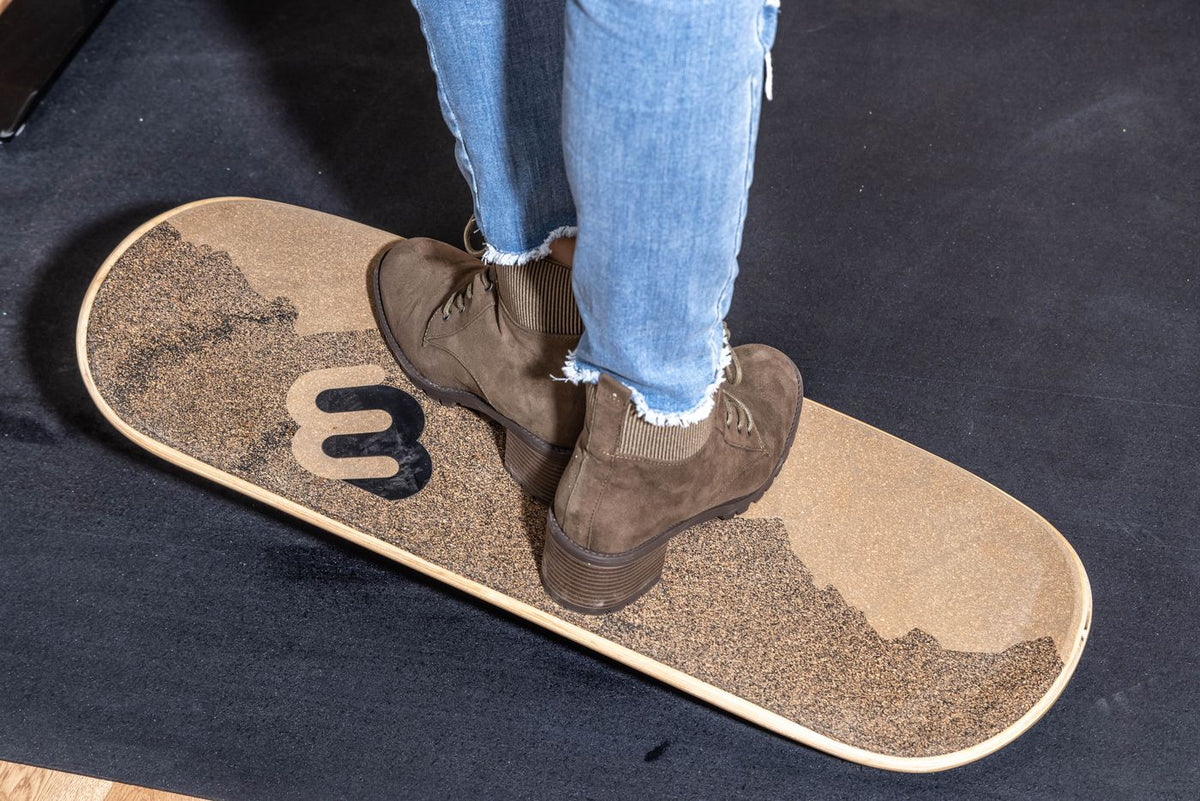
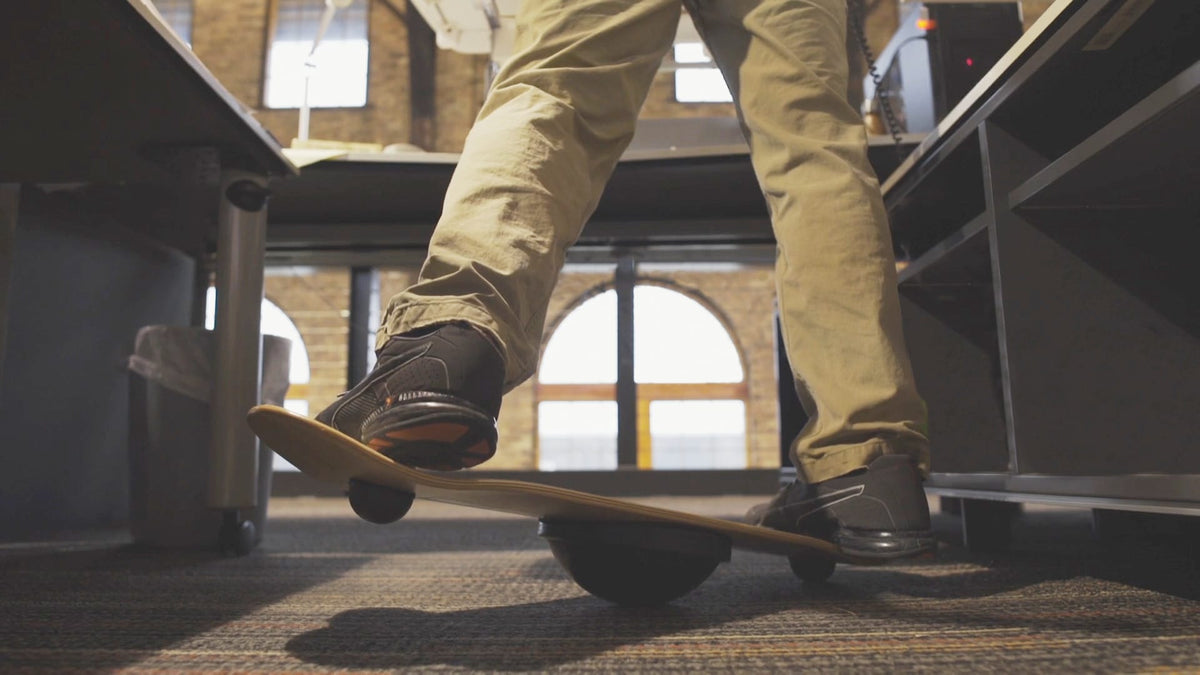
You can keep a Whirly Board beside a regular desk and step away from work for a short session. Its multidirectional movement lets you practice shifting forward, backward, and side to side while controlling the deck.
Once you’re comfortable, try two minutes of familiar movements.
- Spend 30 seconds on small side-to-side shifts.
- Spend 30 seconds shifting forward and back.
- Spend 30 seconds on a familiar movement, such as shallow squats or alternating reaches.
- Spend 30 seconds combining those movements into a sequence.
Two minutes is an easy starting habit. The walking and cancer studies above measured different activities, so their numerical results cannot be assigned to this board session.
Experienced riders can explore more varied sequences and familiar end-ball movements. Whirly Complete’s progression options offer ways to adjust the challenge as skills develop.
Choose a cue you already notice
The end of a meeting, finishing a task, or putting lunch away can remind you to move. Keep your board visible, and alternate movement breaks with walks and other activities you enjoy.
Start with a break you can repeat. Build more opportunities into your day as the habit becomes familiar.
Choose exercises appropriate for your ability. Talk with your healthcare professional before starting a new program if you have a medical condition or concerns about balance.