The Whirly JournalFitness & Movement
Behind Balance Exercise
Exercise your Sensory Systems Balance can be an overlooked area to incorporate into our daily exercise routine, but it can have many great benefits for our body and our mind. Our bodies utilize three systems to give input into our brains about equilibrium.
1 min read

Exercise your Sensory Systems
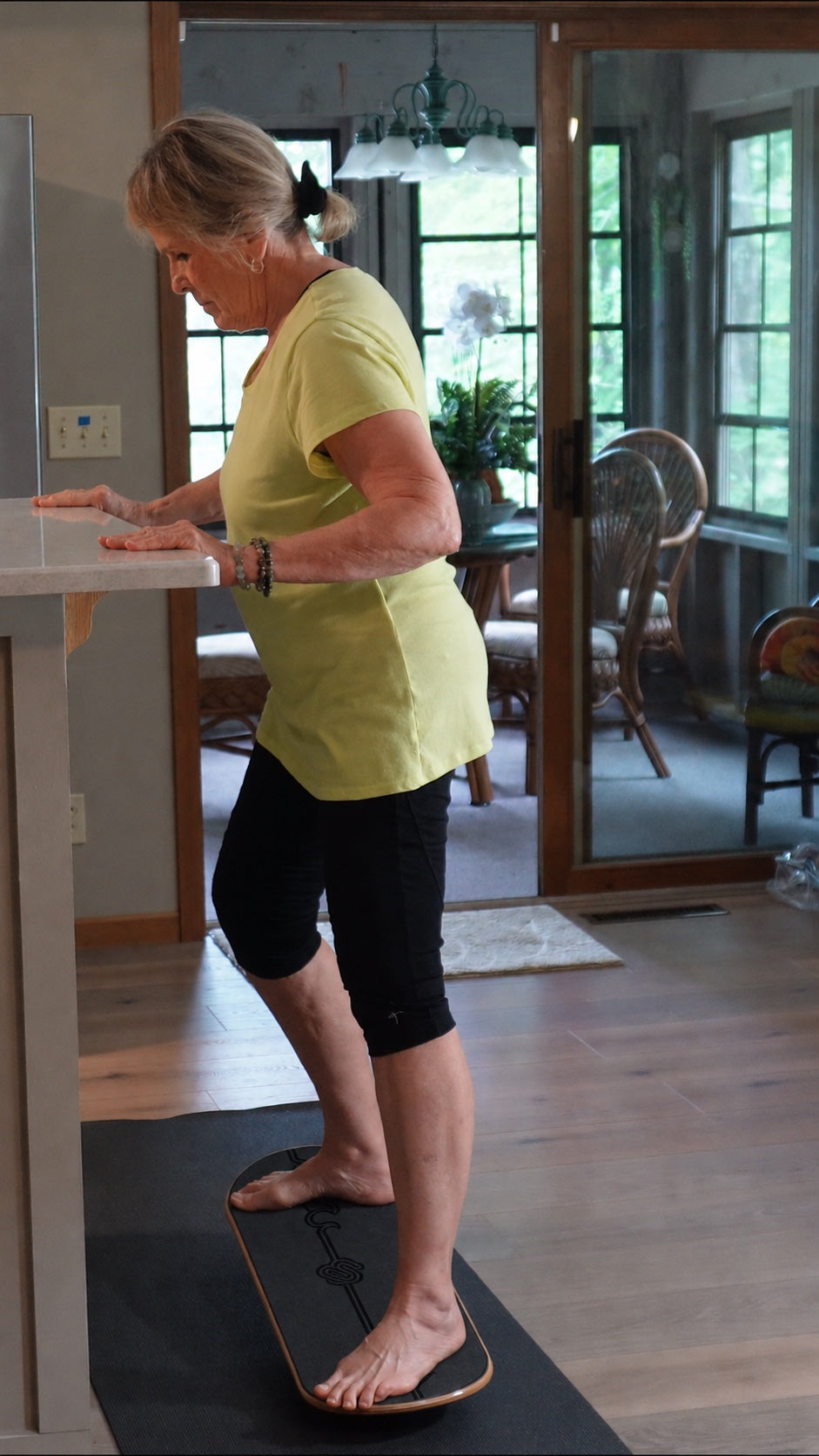
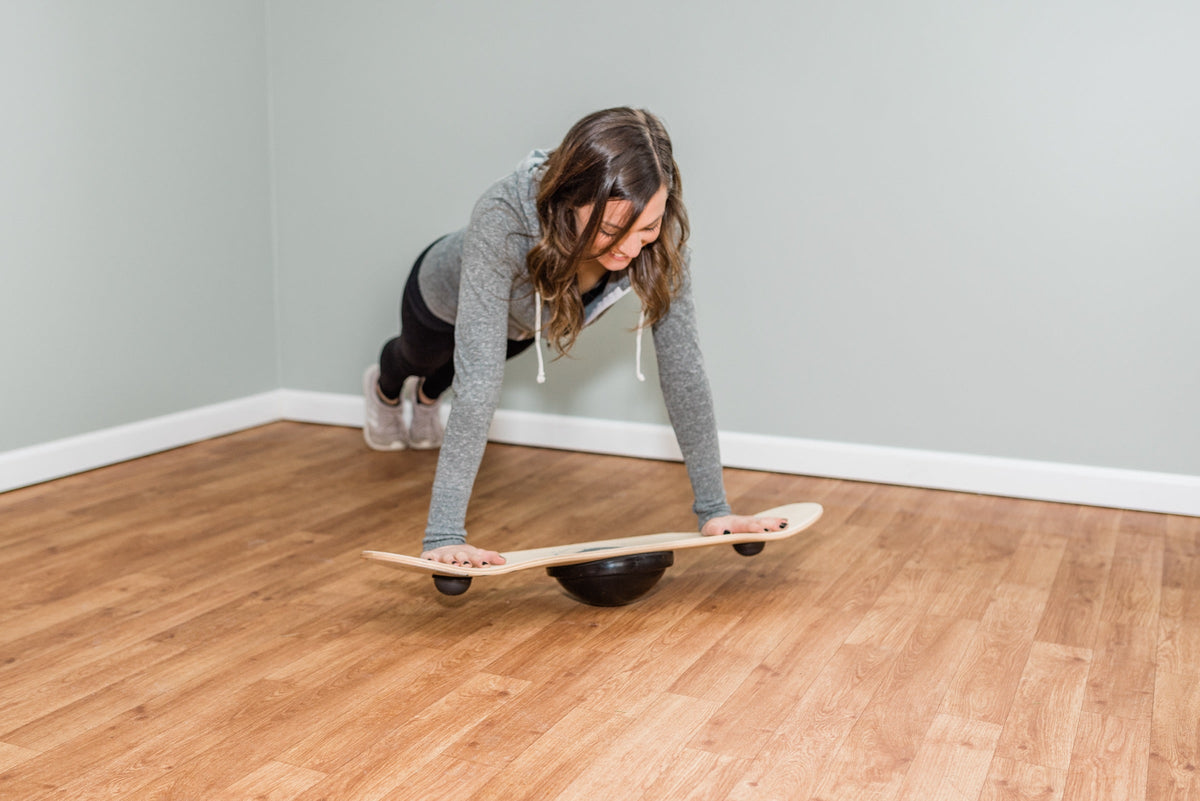
Balance can be an overlooked area to incorporate into our daily exercise routine, but it can have many great benefits for our body and our mind. Our bodies utilize three systems to give input into our brains about equilibrium. We use our visual system (eyes), vestibular system (inner ear), and somatosensory system (proprioceptors which are in our joints). It is well known that as we age these systems become weaker, and in our 20’s and 30’s we utilize the visual system the most, therefore, training the somatosensory system is that much more important. The Whirly Board focuses the most on the somatosensory system followed by the vestibular system and then the visual system. Activities on the Whirly Board address the somatosensory system by stimulating the proprioceptors in the joints which facilitates improvements in equilibrium and dynamic movements. Unlike other balance devices, the Whirly Board addresses all possible movements and motions our body can carry out. It is a three-dimensional, 360 degree challenge, that exercises our entire sensory system ultimately leading to a healthier brain and body.
“The best six doctors anywhere and no one can deny it are sunshine, water, rest, air, exercise and diet.”~Wayne Fields
The Whirly Board incorporates Triple-Half-Sphere Technology so that you can maximize your workouts and achieve great balance at an accelerated rate.
Three Recovery Strategies to Improve Balance


In addition to addressing the three balance systems, the Whirly Board addresses the three recovery strategies. Our bodies utilize three strategies to help recover a loss of balance—ankle strategy, hip strategy, and stepping strategy. Whirly Board exercises can challenge postural adjustments, but using a board does not guarantee training every recovery strategy in all circumstances. Research on multicomponent balance and functional exercise programs shows improvements in functional balance and reductions in falls in some older-adult populations; those findings do not establish the same effects for a particular board. So give the Whirly Board a try. You do not have to be a high level athlete to use it. Whatever your goal is –the Whirly Board can help!
Research: Cochrane review of exercise interventions for preventing falls in older adults. Balance involves the integration of visual, vestibular and somatosensory information.