
The Whirly JournalFitness & Movement
How to Get Out of a Workout Rut and Enjoy Moving Again
A climber’s story about rediscovering the joy of movement, followed by practical ways to refresh a stale workout routine without rebuilding your life.
By Whirly Board4 min read
You know the routine so well you could write it down from memory. The problem is that you no longer look forward to doing it.
A familiar workout can feel like a groove when you enjoy it and a rut when you feel trapped by it. If your routine has lost its appeal, it may be time to look at what you want from movement and how your current plan fits.
One of our contributing writers, Andrea Zaghi, described that experience in a story originally written during the pandemic. Its setting belongs to that moment, but the question still feels familiar: How do you find your way back to enjoying an activity you care about?
What a workout rut felt like for one climber
In the original submission, Andrea described repeating the same hangboard training and basic fitness routine while access to outdoor climbing was limited. Training began to feel like an obligation. Time spent looking at screens and missing social contact made it harder to get excited about another session at home.
There were still occasional good days. But the contrast between those moments and the usual routine made the loss of enjoyment more noticeable.
Then a planned move to New Mexico brought a change of setting. Andrea and a partner spent time climbing outdoors while living out of their car. Formal training fell away for a while, and enjoying the movement took center stage.
When it was time to settle into a routine again, the desire to train had returned. The experience helped Andrea reconnect the exercises with the activity they were meant to support.
You do not need a cross-country move to explore that idea. You can start by changing one part of your week.
1. Reconnect your workouts with something you enjoy
Ask what you want your training to make room for. More comfortable days on a hiking trail? Time playing outside with your children? A climbing trip? The pleasure of learning a new movement?
Choose something that matters to you personally. A goal borrowed from somebody else's workout feed may look impressive while giving you very little reason to get started.
Then look at your routine. Can you see the connection between the work and the experience you want? If not, get help adjusting the plan or give yourself permission to choose a different activity.
2. Change one ingredient
Before replacing your entire routine, try a small experiment. Take a familiar walk somewhere new. Invite a friend to join an activity you both know. Move an indoor session outdoors when conditions allow. Set aside a little time for a movement skill you are curious about.
The CDC’s guide to overcoming barriers to physical activity also suggests planning active time with a friend. Treat that as one option to try, rather than another rule to follow.
The change should be manageable enough that planning it does not become another chore. You are looking for a reason to pay attention and get involved again.
Andrea's original story compared habits with paths through a forest. Repeated journeys make a route easier to follow, but sometimes it is worth stepping back to see where the path leads. A routine can be useful and still need an occasional adjustment.
3. Give yourself a smaller starting point
If the whole workout feels like too much, decide on a modest beginning: getting your equipment ready, taking a short walk, or completing the familiar opening part of your session.
Keep that promise realistic. It is a way to make starting more approachable, rather than a trick that commits you to the full workout regardless of how you feel.
Afterward, notice what happened. Did getting started feel good? Did you need an easier day? That information can help you shape the next session.
4. Make room for play
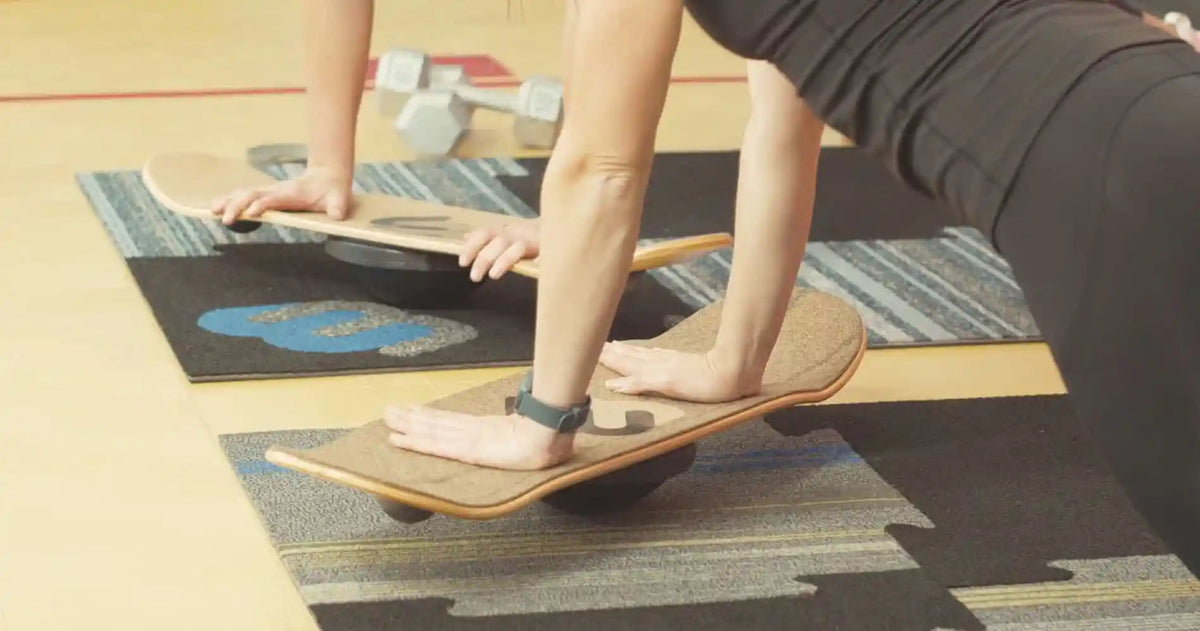
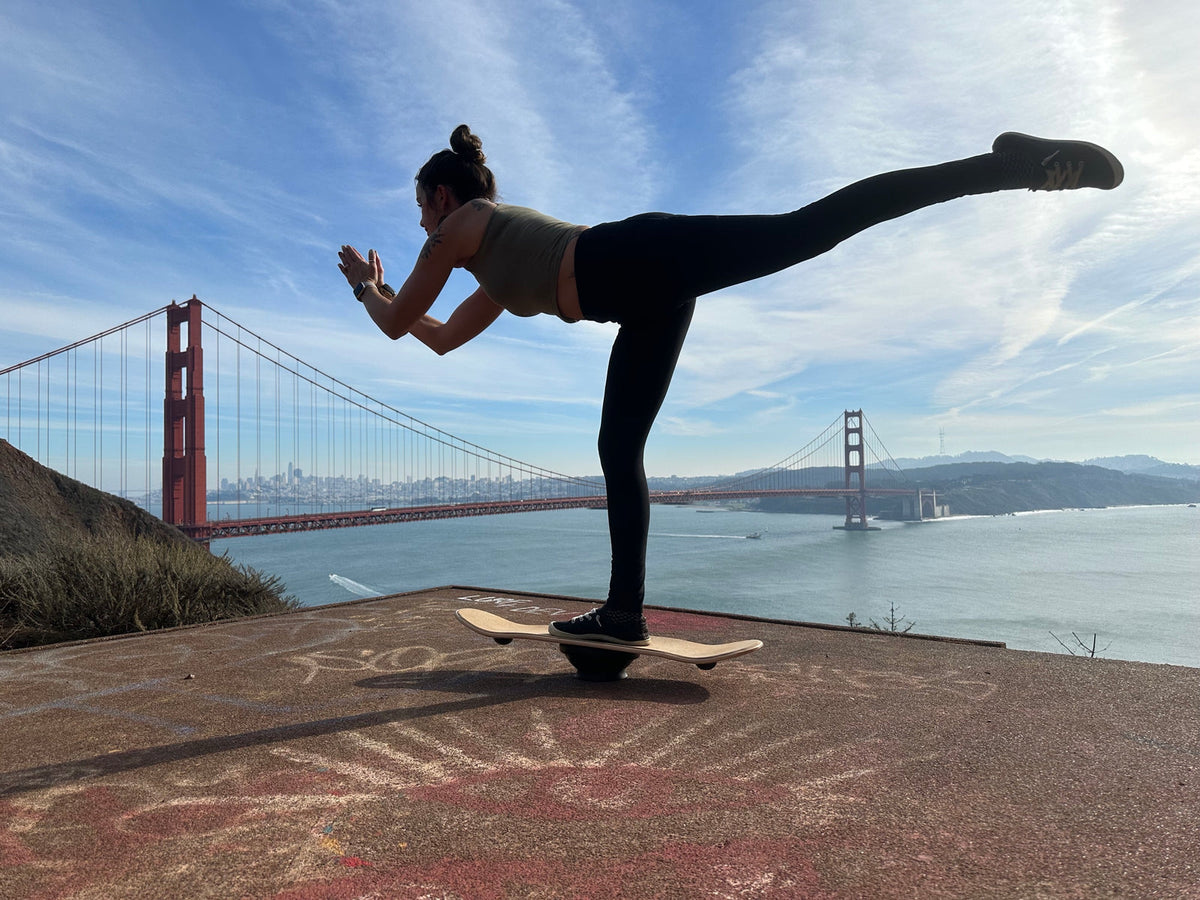
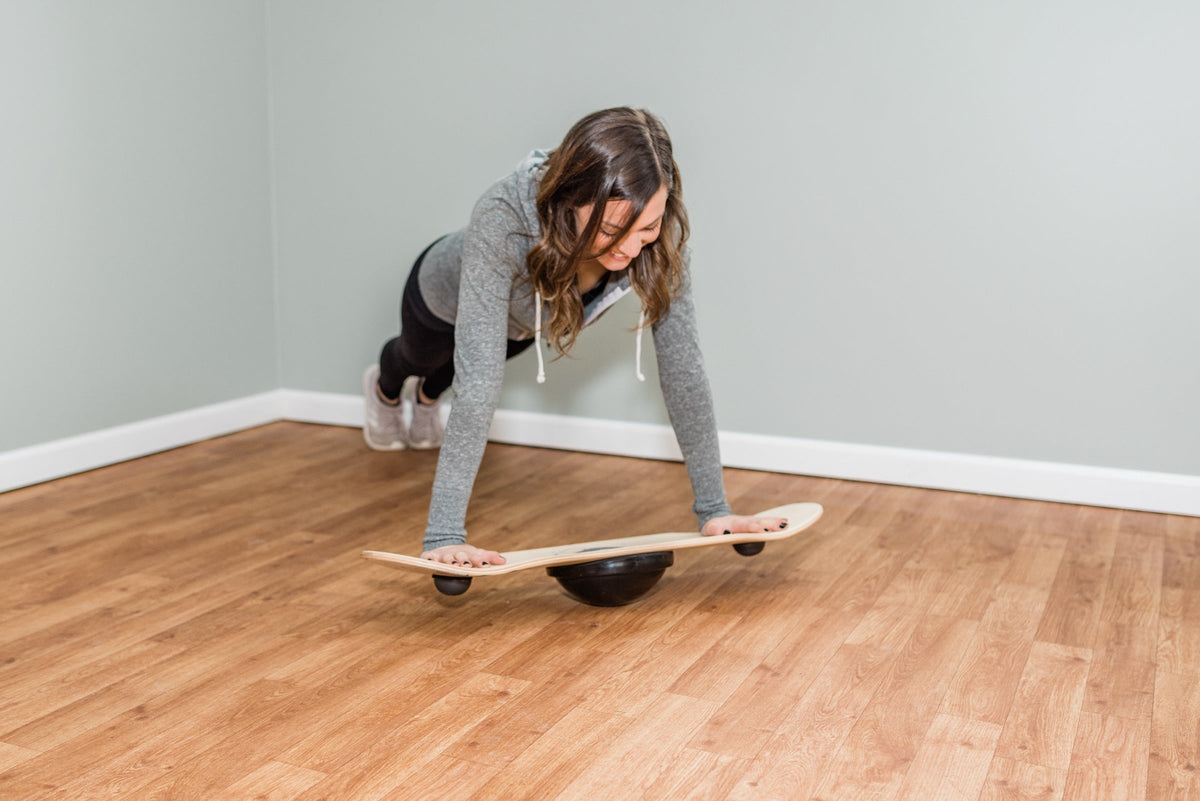
Some movement can exist simply because you enjoy it. Try a dance class, a casual bike ride, a new walking route, or a short balance-board session if the equipment suits you.
With a balance board, begin with its instructions and an appropriate setup. Keep sturdy support nearby, clear the space, and choose a challenge you can control. Exploring one small movement is enough; you do not need to turn it into another performance target.
If you like having structure, explore our balance board fitness and exercise library for movement ideas and demonstrations. Choose an activity that fits your experience and your equipment’s guidance. Or browse the Whirly Board range to see whether this kind of movement interests you.
5. Give the session your attention
One of Andrea's practical suggestions was to create a transition between work and exercise. Change clothes, put the equipment where you need it, and give yourself a moment to arrive.
That can be especially useful when both activities happen in the same room. A small ritual marks the change: the workday pauses, and this time belongs to movement.
Try leaving messages and email until after the session. Notice whether focusing on one activity makes the experience more enjoyable for you.
6. Record more than the numbers
A training log can include enjoyment, effort, and what you would like to repeat. A few plain notes are enough:
- What did I do?
- What felt interesting or satisfying?
- What felt stale?
- What would I change next time?
Use the answers to look for patterns. Perhaps company matters more than you expected, or a shorter session fits your current week better. Adjust the plan around the life you actually have.
Find a routine you want to return to
Andrea's story ended with renewed enthusiasm for training after a change of perspective and time spent doing the sport itself. Your next step may be much smaller: a different route, a new goal, a friend, or an easier week.
If persistent exhaustion, pain, or loss of interest extends beyond your workouts, seek appropriate professional support rather than trying to solve it by pushing harder.
For an ordinary stale routine, start with curiosity. Pick one change, try it, and pay attention to whether it makes movement feel more inviting.
Adapted by Whirly Board from an original contribution by Andrea Zaghi. The contributor received a Whirly Board in exchange for the original article.